
Grand Cayman is, without a doubt, a tropical paradise, but what does that really mean for a visitor? It means you’ll find stunning beaches, world-class diving and snorkeling, excellent dining, and a relaxed Caribbean vibe, all with the convenience of a modern infrastructure. It’s a place where you can switch off and disconnect, or dive headfirst into adventure – whichever you prefer.
Grand Cayman is the largest of the three Cayman Islands and the most developed. Don’t let “developed” concern you; it still retains a very strong sense of island charm. The capital, George Town, is the main hub for commerce and cruise ships, but move beyond the immediate port area and you’ll discover a more tranquil side. The island is relatively flat and easy to navigate, with well-maintained roads. English is the official language, and the local currency is the Cayman Islands Dollar (KYD), though US Dollars are widely accepted. Power outlets are the same as in North America.
Navigating the Island
Renting a car is highly recommended if you want to explore beyond Seven Mile Beach and George Town. Driving is on the left-hand side of the road, which can take a little getting used to for those accustomed to driving on the right. Taxis are available, but they can be expensive for longer distances. Public mini-buses operate on fixed routes for a more budget-friendly option, particularly around George Town and the Seven Mile Beach corridor.
Best Time to Visit
The dry season, from November to April, offers cooler temperatures and lower humidity, making it the most popular time to visit. However, this is also peak season, so expect higher prices and more crowds. The wet season, from May to October, brings warmer temperatures, higher humidity, and a chance of tropical storms, but it also offers lower prices and fewer tourists. Many find the shoulder months (May, June, November) to be a good compromise.
For those planning a trip to the stunning Grand Cayman, a great resource to explore is the article titled “Ultimate Cayman Islands Vacation Guide.” This comprehensive guide offers valuable insights into the best attractions, dining options, and activities available on the island, ensuring that visitors can make the most of their experience. You can read the article by following this link: Ultimate Cayman Islands Vacation Guide.
Underwater Wonders: Diving and Snorkeling
Grand Cayman is internationally renowned for its spectacular underwater world. The coral reefs are vibrant and healthy, supporting an incredible diversity of marine life. Whether you’re a seasoned diver or a first-time snorkeler, there’s an experience waiting for you.
World-Class Dive Sites
The island boasts numerous dive sites, ranging from shallow reefs perfect for beginners to deep walls and wrecks for advanced divers. Some of the most famous include the Kittiwake shipwreck, a deliberately sunk ex-US Navy ship that has become an artificial reef teeming with life, and Stingray City. The North Wall and West Wall offer dramatic drop-offs and encounters with larger pelagics. Many dive operators offer two-tank morning dives and single-tank afternoon or night dives.
Snorkeling Adventures
You don’t need to be a certified diver to experience Grand Cayman’s underwater beauty. Excellent snorkeling opportunities abound. Along Seven Mile Beach, many resorts have small reef patches just offshore. Popular spots like Cemetery Beach (towards the northern end of Seven Mile Beach) offer calm, clear waters and abundant fish life close to shore. Barrier reef snorkeling excursions are widely available, taking you to shallower reefs that are vibrant and accessible.
Stingray City: An Iconic Experience
This shallow sandbar is perhaps Grand Cayman’s most famous attraction. Here, you can interact with dozens of southern stingrays in their natural habitat. While it might sound touristy, it’s genuinely a unique and memorable experience. The stingrays are accustomed to human interaction and will gracefully glide around you, often allowing gentle touches. Most boat tours to Stingray City combine it with a snorkeling stop at the nearby Coral Gardens or Barrier Reef.
Beyond the Beach: Other Island Explorations
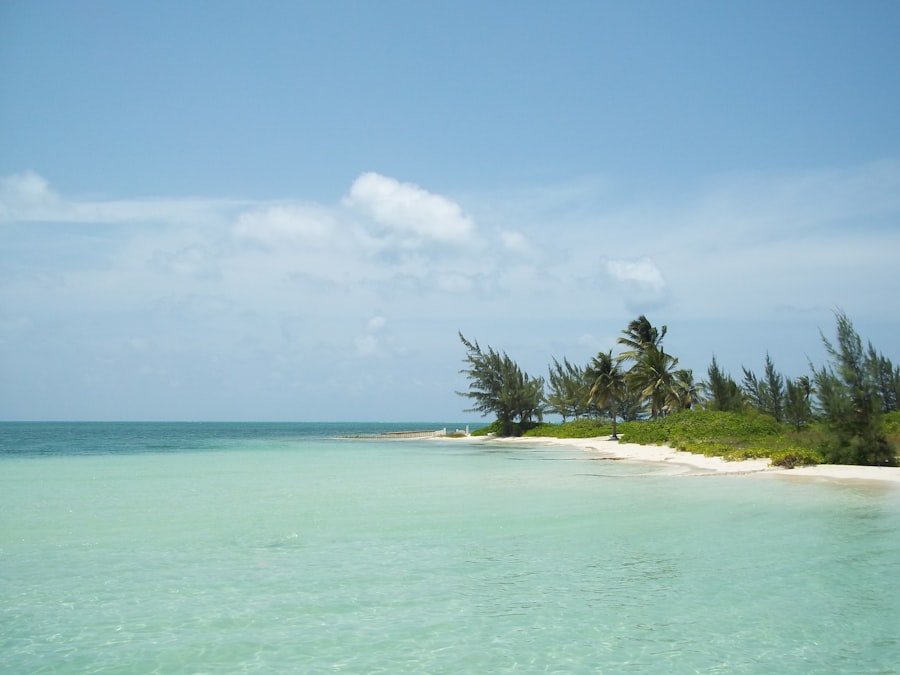
While the beaches and ocean are undoubtedly the main draws, Grand Cayman offers more to see and do when you’re ready for a change of pace.
George Town: A Peek into Island Life
The capital, George Town, serves as the island’s administrative and commercial center. While it can be bustling on cruise ship days, especially around the port area, it offers some interesting historical sites and duty-free shopping. The Cayman Islands National Museum provides a good overview of the island’s natural and cultural history. You can also visit Fort George, a small historical site with remnants of a 17th-century fort.
Botanical Gardens: A Burst of Nature
The Queen Elizabeth II Botanic Park is a beautifully maintained sanctuary showcasing the flora of the Cayman Islands. It’s home to the endangered Blue Iguana, a fascinating conservation success story. You can wander through various themed gardens, including a floral garden, a traditional heritage garden, and a lake with native birds. It’s a peaceful escape from the beach and provides insight into the island’s natural environment.
Crystal Caves: Underground Wonders
Located in North Side, the Cayman Crystal Caves offer a different perspective of the island. These ancient limestone caves feature impressive stalactite and stalagmite formations, crystal structures, and a few small pools. Guided tours take you through several interconnected caves, providing interesting geological and historical information. It’s a refreshing escape from the heat, as the caves maintain a cooler temperature.
Culinary Delights: Eating Your Way Around the Island
Grand Cayman has a surprisingly sophisticated culinary scene, ranging from casual beach shacks to upscale fine dining. Fresh seafood is, of course, a highlight, but you’ll find a diverse array of international cuisines as well.
Fresh Seafood Focus
Given its island location, fresh seafood is a staple. You’ll find grilled fish, conch fritters, and lobster (seasonal) on many menus. Look for local specialties like lionfish, an invasive species that chefs are incorporating into delicious dishes to help control its population. Many restaurants source their fish directly from local fishermen, ensuring freshness.
Diverse Dining Options
Along Seven Mile Beach, you’ll find a concentration of restaurants catering to various tastes and budgets. From Italian and Asian fusion to French and American fare, there’s plenty of choice. George Town also offers a range of eateries, from casual cafes to more established restaurants. Don’t be afraid to venture off the main tourist strip for some authentic local spots, often found in more residential areas.
Local Flavors and Casual Eats
For a more local experience, seek out “fish frys” or casual roadside eateries. These often offer traditional Caymanian dishes like stewed conch, heavy cake, and jerk chicken. Festivals and local markets are also great places to sample authentic flavors. Consider trying a local beef patty or a coconut water straight from a tender coconut.
If you’re planning a trip to the stunning Grand Cayman, you might find it helpful to read a related article that explores the various attractions and activities the island has to offer. From breathtaking beaches to vibrant marine life, Grand Cayman is a paradise for both relaxation and adventure. For more insights, check out this informative piece on the Cayman Islands that highlights the best experiences to enjoy during your visit.
Practicalities and Responsible Tourism
| Metrics | Data |
|---|---|
| Population | 65,722 (2019) |
| Area | 197 square kilometers |
| Capital | George Town |
| Language | English |
| Currency | Cayman Islands Dollar (KYD) |
While exploring Grand Cayman, a few practical considerations will enhance your trip and help you be a responsible visitor.
Money Matters
The Cayman Islands Dollar (KYD) is pegged to the US Dollar at a rate of 1 KYOD = 1.25 USD. While US Dollars are widely accepted and change will often be given in KYD, using the local currency can sometimes result in slightly better value. Credit cards are widely accepted at most establishments. Tipping is customary, usually 15-20% for good service.
Sun Protection and Hydration
The Caribbean sun is intense. Generous application of reef-safe sunscreen (check labels for ‘oxybenzone-free’ and ‘octinoxate-free’), a wide-brimmed hat, and sunglasses are essential. Dehydration can be a serious issue, so drink plenty of water, even if you don’t feel thirsty. Consider carrying a reusable water bottle to refill.
Respecting the Environment
Grand Cayman takes pride in its pristine environment. Help keep it that way by disposing of your trash properly, avoiding touching or standing on coral reefs while snorkeling or diving, and choosing tour operators who practice sustainable tourism. Many dive and snorkel operators are keen conservationists and can provide guidance on how to interact with marine life responsibly.
Local Customs and Culture
The Cayman Islands have a conservative and friendly culture. Dress codes are generally casual, but skimpy swimwear is best reserved for the beach or pool areas. Politeness and respect go a long way. Engage with locals, ask questions, and you’ll often find them happy to share their island and culture with you. Understanding and respecting local customs enriches your experience and shows appreciation for your hosts.
Grand Cayman offers a blend of natural beauty and modern convenience, making it an accessible and enjoyable Caribbean destination. It’s a place where relaxation and adventure coexist, allowing visitors to tailor their experience to their own preferences. Whether you’re drawn by the allure of the underwater world, the promise of pristine beaches, or the desire to simply unwind, Grand Cayman delivers a memorable tropical escape.