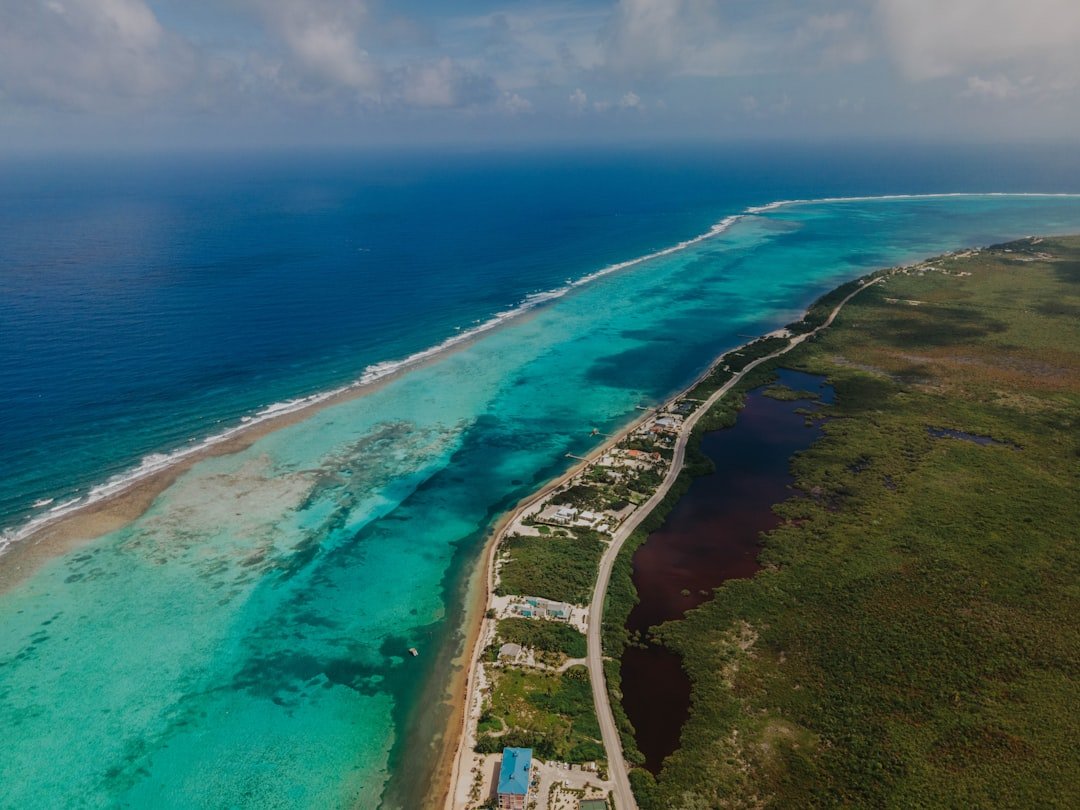
Grand Cayman offers a fantastic blend of relaxation and adventure, and if you’re looking to truly unwind, three experiences consistently rise to the top: snorkeling, a visit to Stingray City, and time spent on Seven Mile Beach. These aren’t just popular activities; they’re integral to understanding the island’s natural beauty and laid-back vibe. Whether you’re gliding over vibrant coral, interacting with friendly rays, or simply soaking up the sun, these activities provide a genuine taste of Grand Cayman.
Grand Cayman’s waters are world-renowned for their clarity and an abundance of marine life, making snorkeling an absolute must. You don’t need to be an expert swimmer or diver to experience this underwater world. Most snorkeling spots are shallow and easily accessible, offering a stunning array of corals and fish just a few feet below the surface.
Why Grand Cayman is a Snorkeler’s Paradise
The island’s reef system is extensive and well-protected, leading to incredibly healthy coral formations and a diverse ecosystem. The water temperatures are consistently warm, usually in the high 70s or low 80s Fahrenheit, making for comfortable extended snorkeling sessions. Plus, the visibility is often phenomenal, sometimes exceeding 100 feet, allowing for breathtaking views.
Top Snorkeling Spots
While there are countless spots to explore, some consistently deliver exceptional experiences.
Cemetery Reef
Located at the northern end of Seven Mile Beach, Cemetery Reef is a favorite for a reason. It’s easily accessible from the shore, just a short swim out. The reef here is vibrant, with a good mix of hard and soft corals. You’ll frequently spot parrotfish, angelfish, wrasse, and even small barracudas hovering in the shallows. The water is typically calm, making it suitable for all skill levels. Parking is available, and it’s a great spot to bring your own gear for a spontaneous dip.
Eden Rock & Devil’s Grotto
These two spots are often grouped together as they are adjacent to each other near George Town. They’re unique for their fascinating underwater cave and grotto formations. Swimming through these natural tunnels and caverns, you’ll encounter schools of tarpon, snappers, and groupers. The light filtering through cracks in the rock creates a mesmerizing effect. While generally safe, these spots are a bit more adventurous and might be best enjoyed with a guided tour or if you’re a confident swimmer.
Barrier Reef
Often visited as part of a boat tour, the Barrier Reef offers a more expansive and often deeper snorkeling experience. Here, you’ll encounter larger coral heads and a greater variety of marine life, including stingrays, turtles, and sometimes even reef sharks from a distance. The boat tours typically provide all the necessary gear and guidance, making it a stress-free way to explore further offshore.
Gear and Tips for Snorkeling
You can rent snorkel gear from many dive shops or resorts, or simply bring your own. A good fitting mask is crucial to avoid leaks, and fins will help you conserve energy and navigate the water more easily. Don’t forget reef-safe sunscreen to protect both your skin and the delicate coral ecosystem. It’s also wise to wear a rash guard for added sun protection, especially if you plan to be in the water for a while. Always practice responsible snorkeling: avoid touching or standing on coral, and never feed the fish.
If you’re planning a trip to Grand Cayman, there are plenty of exciting activities to enjoy, from snorkeling in crystal-clear waters to exploring the vibrant local culture. For those interested in the natural beauty of the islands, a great read is the article on discovering the diverse wildlife of the Cayman Islands. You can find it here: Discovering the Diverse Wildlife of the Cayman Islands. This article provides insights into the unique flora and fauna that make the Cayman Islands a must-visit destination for nature enthusiasts.
Stingray City: An Unforgettable Interaction
Stingray City is probably Grand Cayman’s most iconic attraction, and for good reason. It offers a unique opportunity to interact with dozens of southern stingrays in their natural habitat. It’s not a zoo or an enclosed area; it’s a shallow sandbar in the middle of the North Sound where these magnificent creatures have congregated for decades.
What to Expect at Stingray City
Most visits to Stingray City are part of a boat tour. The tours typically take you to a shallow sandbar, usually only 2-4 feet deep, where you can stand comfortably. As soon as the boat anchors, the rays, accustomed to human interaction and the promise of food (usually squid provided by the tour guides), will begin to approach.
Interacting with the Rays
This is where the magic happens. You can wade among them, gently touch their silky wings, and even hold them. The guides are excellent at demonstrating how to safely interact with the rays, emphasizing a gentle touch on their backs and wings. They’ll also explain the stingrays’ biology and behavior, dispelling any myths about their temperament. Many tours offer opportunities to feed the rays by hand, which is an incredible experience as you feel their suction power as they gracefully take the food.
The Original Stingray City vs. Stingray City Sandbar
There are actually two main spots: “Stingray City Sandbar” and “Stingray City Dive Site.” The sandbar is where most tourists go, as it’s shallow enough to stand in, making it perfect for snorkeling and interacting from the surface. The dive site is a bit deeper, requiring SCUBA gear, and offers a different, more immersive experience for divers. For most visitors, the sandbar is the intended destination.
Choosing a Tour Operator
There are numerous tour operators offering trips to Stingray City. It’s worth doing a little research to find one that aligns with your preferences. Some operators offer smaller, more intimate tours, while others have larger boats with more amenities. Many tours combine Stingray City with a snorkeling stop at the Barrier Reef or Starfish Point, making for a full and varied half-day excursion. Look for operators with good safety records and those who prioritize the well-being of the rays.
Tips for a Great Stingray City Experience
Bring your camera (preferably waterproof!) to capture the unique moments. Listen carefully to your guides’ instructions for interacting with the rays. They are wild animals, so respect their space and follow the guidelines. If you’re nervous, start by observing others and then gradually get involved. Most people find that any initial apprehension quickly fades once they see how gentle and curious the rays are.
Seven Mile Beach: Sun, Sand, and Serenity
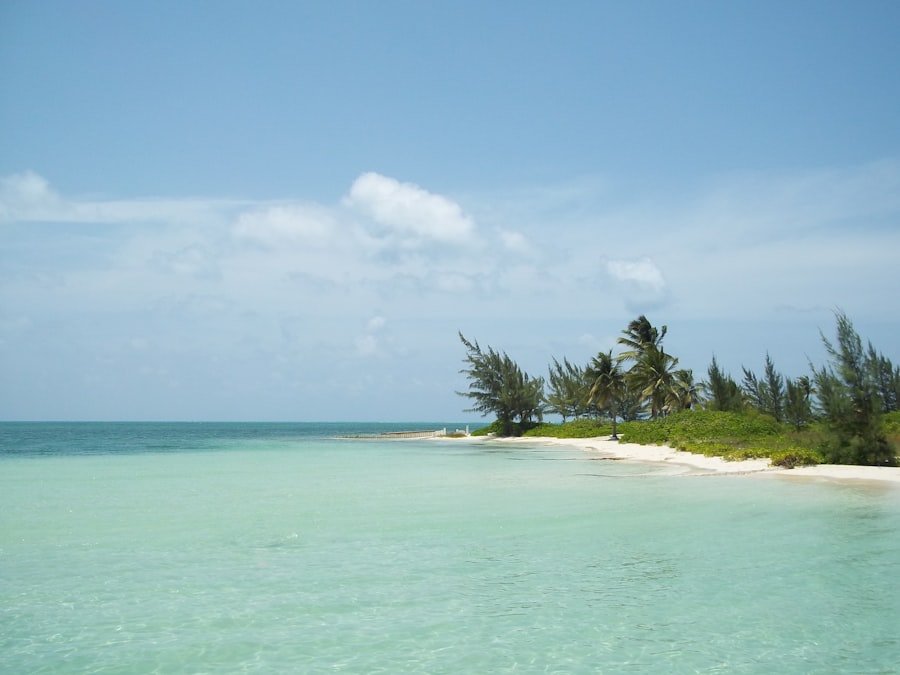
Seven Mile Beach is consistently ranked among the world’s best beaches, and for good reason. This stunning crescent of white coral sand stretches for nearly seven miles along the western coast of Grand Cayman, offering postcard-perfect views and endless opportunities for relaxation and recreation.
The Allure of Seven Mile Beach
The sand here is incredibly soft and cool to the touch, even on the hottest days. The water is a brilliant turquoise, calm, and remarkably clear, making it ideal for swimming and wading. The gentle slope into the water means you can walk out quite a distance before it gets deep, which is great for families with children. The absence of strong currents adds to its appeal.
Activities on Seven Mile Beach
Beyond simply lounging and soaking up the sun, there’s a surprising amount to do along Seven Mile Beach.
Swimming and Wading
The calm, clear waters are perfect for a refreshing swim. You can spend hours just floating in the warm Caribbean Sea.
Beach Walks
With seven miles of pristine shoreline, it’s an ideal spot for long, leisurely walks, especially at sunrise or sunset. The sand is firm enough near the water’s edge to make walking comfortable.
Water Sports
Many resorts and independent operators offer a variety of water sports, including paddleboarding, kayaking, jet skiing, and parasailing. You can rent equipment directly on the beach or through your hotel.
Snorkeling from Shore
As mentioned earlier, Cemetery Reef at the northern end of the beach offers excellent shore snorkeling. Other spots along the beach might have smaller patches of coral or rock formations worth exploring with a mask and snorkel.
Beachfront Dining and Bars
Seven Mile Beach is lined with numerous resorts, restaurants, and beach bars, ranging from casual shacks to upscale dining. You can enjoy a fresh seafood lunch with your toes in the sand or sip on a cocktail while watching the sunset. Many establishments welcome non-guests for dining.
Public Access and Amenities
While many sections of Seven Mile Beach are fronted by resorts, there are numerous public access points along the road (West Bay Road). These access points typically have parking and often offer facilities like restrooms and showers. Some popular public spots include Governor’s Beach, Public Beach, and the aforementioned Cemetery Reef. Even in front of resorts, the beach itself is public property below the high tide mark, meaning you can walk freely along the entire stretch.
Best Times to Visit Seven Mile Beach
The beach is beautiful year-round, but the shoulder seasons (April-May and October-November) often offer pleasant weather with fewer crowds. The winter months (December-March) are peak season, with perfect weather but higher prices and more people. Even during peak season, the vastness of the beach means it rarely feels overwhelmingly crowded. Early mornings and late afternoons are particularly lovely, offering softer light and cooler temperatures.
Combining Your Adventures: Practical Logistics
It’s entirely feasible to experience all three of these highlights during your Grand Cayman visit. Many tour operators offer combined packages that include Stingray City and a snorkeling stop, often at the Barrier Reef. Seven Mile Beach is easily accessible, and you can dedicate separate time to simply relaxing there.
Transportation
Taxis are readily available throughout Grand Cayman, particularly at the airport and around major tourist areas. Public mini-buses (known as “jitneys”) are a cost-effective way to get around, running frequently along West Bay Road (which parallels Seven Mile Beach) and into George Town. If you plan to explore more independently, consider renting a car for a day or two, especially if you want to visit spots further afield like Starfish Point or Rum Point. Remember that driving is on the left side of the road in Grand Cayman.
When to Go
Grand Cayman enjoys a tropical climate, so warm weather is pretty much a given. The peak tourist season is generally from December to April, offering cooler, drier weather. The “off-season” or “shoulder season” from May to November can bring hotter temperatures and higher humidity, along with the possibility of tropical storms or hurricanes (though direct hits are rare). However, prices for accommodation and flights are often lower during this period. The marine life and water conditions for snorkeling and Stingray City remain excellent year-round.
If you’re planning a trip to Grand Cayman and looking for exciting things to do, you might find it helpful to explore a related article that highlights various activities on the islands. From snorkeling in crystal-clear waters to enjoying the vibrant local culture, there are plenty of options to make your visit unforgettable. For more detailed insights, check out this informative piece on the best Cayman Islands activities.
Respecting the Environment: Sustainable Tourism
| Activity | Description |
|---|---|
| Snorkeling | Explore the vibrant marine life and coral reefs in the crystal-clear waters. |
| Scuba Diving | Discover the underwater world with a variety of dive sites suitable for all levels. |
| Stingray City | Interact with friendly stingrays in the shallow sandbar area. |
| Beach Relaxation | Enjoy the pristine beaches and relax under the Caribbean sun. |
| Water Sports | Try activities like jet skiing, paddle boarding, and kayaking. |
| Island Tours | Explore the island’s attractions, including the famous Seven Mile Beach. |
Grand Cayman is deeply committed to preserving its natural beauty, especially its marine environment. When enjoying snorkeling, Stingray City, and the beaches, it’s crucial to practice responsible tourism.
Reef-Safe Practices
Always use reef-safe sunscreen that does not contain oxybenzone and octinoxate, as these chemicals are harmful to coral. Avoid touching, standing on, or collecting coral and shells. These are living parts of the ecosystem.
Wildlife Interaction
At Stingray City, listen to your guides and interact with the rays gently. Avoid harassing them or chasing them. Remember they are wild animals in their natural environment. Similarly, if you encounter sea turtles or other marine life while snorkeling, observe them from a respectful distance without disturbing them.
Waste Management
Dispose of all your trash properly. Grand Cayman has a comprehensive waste management system. Avoid leaving anything behind on the beaches or in the water.
By following these simple guidelines, you help ensure that Grand Cayman’s incredible natural attractions remain pristine and enjoyable for generations to come. Your visit contributes to the local economy, and by being mindful, you can make that contribution a positive one for the environment too.