
The Cayman Islands are made up of three distinct landmasses, not just one, and each offers its own unique charm and experiences. When most people hear “Cayman Islands,” they’re usually thinking of Grand Cayman, the largest and most developed of the trio. But venture a little further, and you’ll discover the quieter, more natural beauty of Cayman Brac and Little Cayman. This article will help you understand what makes each island special and what you can expect from a visit to any of them.
Grand Cayman is, without a doubt, the bustling heart of the Cayman Islands. It’s where the majority of the population lives, where the international airport lands you, and where you’ll find the most extensive range of amenities and activities. Think of it as the vibrant hub, offering a mix of sophisticated dining, luxury accommodations, and iconic natural attractions.
Seven Mile Beach: A Slice of Paradise
This isn’t just any beach; it’s consistently ranked among the world’s best. The name is a bit misleading, as it’s actually closer to 6.3 miles, but who’s counting when the sand is this soft and the water this clear?
Swimming and Sunbathing
The gentle, shallow waters make it perfect for a relaxing dip, and the expansive stretch of sand means you’ll always find a spot to lay out your towel, even during peak season. You can walk for miles, enjoying the rhythmic sound of the waves.
Water Sports Galore
From paddleboarding and kayaking to jet skiing and parasailing, Seven Mile Beach is a playground for water sports enthusiasts. Most resorts and independent operators offer rentals and lessons right on the beach, making it incredibly convenient to try something new.
George Town: History and Shopping
The capital of the Cayman Islands, George Town, blends historical charm with modern commerce. It’s a key port for cruise ships, so it can get quite busy during the day.
Duty-Free Shopping
This is a big draw. You’ll find a range of luxury brands, jewelry stores, and local crafts, all with the advantage of duty-free pricing. It’s a good place to pick up souvenirs or treat yourself to something special.
Historic Sites
Explore buildings like the Cayman Islands National Museum, housed in the old courthouse, or the Legislative Assembly building. These offer a glimpse into the islands’ past and their journey to self-governance.
Stingray City: An Unforgettable Encounter
This is perhaps Grand Cayman’s most famous attraction, and for good reason. It’s an experience that’s truly unique.
Shallow Sandbar Interaction
Here, in the shallow, crystal-clear waters of the North Sound, you can stand on a sandbar and interact with dozens of southern stingrays. These wild creatures are accustomed to human presence and will swim gracefully around you.
Ethical Considerations
While generally a safe and popular activity, it’s worth noting the discussions around the ethics of interacting with wild animals. Tour operators are generally responsible, guiding visitors on how to touch the rays gently and respectfully. It’s a powerful experience, but one to approach with awareness.
Other Grand Cayman Highlights
Beyond the big three, Grand Cayman offers a lot more to explore.
The Mastic Trail
For nature lovers, this ancient footpath cuts through one of the largest untouched areas of old-growth dry forest in Grand Cayman. It’s a challenging but rewarding hike, offering a look at indigenous flora and fauna.
Camana Bay
A relatively new, master-planned community with a sophisticated, walkable town center. It features shops, restaurants, a cinema, and beautiful waterfront views. It’s a great spot for an evening stroll and dinner.
Culinary Scene
Grand Cayman boasts an impressive culinary scene for its size. From high-end, award-winning restaurants to casual beachside shacks serving fresh fish, there’s something to satisfy every palate. Don’t leave without trying some conch fritters or fresh catch of the day.
The Cayman Islands, known for their stunning beaches and vibrant marine life, consist of three main islands: Grand Cayman, Cayman Brac, and Little Cayman. However, there are also several smaller islets and cays that contribute to the archipelago’s charm. For a deeper exploration of the hidden gems and unique experiences these islands offer, you can read more in this related article: Discovering the Hidden Gems of Cayman Islands: A Travel Blog.
Cayman Brac: The Adventurous Sister
Cayman Brac, located about 90 miles northeast of Grand Cayman, offers a stark contrast. It’s much less developed, quieter, and characterized by a dramatic limestone bluff that runs the length of the island – the “Brac” in its name means bluff in Gaelic. If you’re looking for adventure, natural beauty, and a slower pace, this is your island.
The Bluff: A Natural Marvel
The defining feature of Cayman Brac is undoubtedly its bluff. Rising to 140 feet at its easternmost point, it creates stunning vistas and unique geological formations.
Rock Climbing Opportunities
For experienced climbers, the bluff offers some incredible and unique climbing routes with breathtaking ocean views. This isn’t for beginners, but it’s a significant draw for those with the skills.
Hiking Trails
Numerous trails wind along the top of the bluff and through its various access points, offering panoramic views of the Caribbean Sea. The Lighthouse path, leading to the eastern tip, is a popular choice for its stunning scenery.
World-Class Diving
Cayman Brac is a diver’s paradise, often considered even better than Grand Cayman for its untouched reefs and unique wreck.
MV Capt. Keith Tibbetts Wreck
This 330-foot Russian Frigate, intentionally sunk in 1996, is the only diveable Russian warship in the Western Hemisphere. It’s now teeming with marine life, offering multiple penetration points for advanced divers and impressive views for all levels.
Vibrant Reefs
Away from the wreck, Cayman Brac boasts healthy, vibrant coral reefs with an abundance of marine life. You’ll encounter colorful fish, turtles, and possibly even reef sharks in crystal-clear waters.
Caves and Sinkholes: Exploring Underground
The limestone composition of the island means there are numerous caves and sinkholes waiting to be explored.
Rebecca’s Cave
This cave is unique as it’s the burial site of a young girl, Rebecca Bodden, who was lost at sea. It’s a small, poignant spot, often decorated with flowers.
Peter’s Cave
A more substantial cave with multiple chambers, Peter’s Cave offers a cool respite from the sun and a chance to see impressive stalactite and stalagmite formations. Bring a flashlight and watch your step.
Birdwatching: A Feathered Haven
Cayman Brac is a significant stop for migratory birds and home to several resident species, making it a prime destination for birdwatchers.
Brac Parrot Reserve
This protected area is dedicated to the endangered Cayman Brac parrot, a distinct subspecies. Walking the trails here offers a chance to spot these vibrant green birds in their natural habitat.
Various Species
Keep an eye out for brown boobies, magnificent frigatebirds, red-footed boobies, and various other seabirds and land birds. The eastern end of the bluff, particularly around the lighthouse, is excellent for spotting seabirds.
Little Cayman: The Secluded Retreat
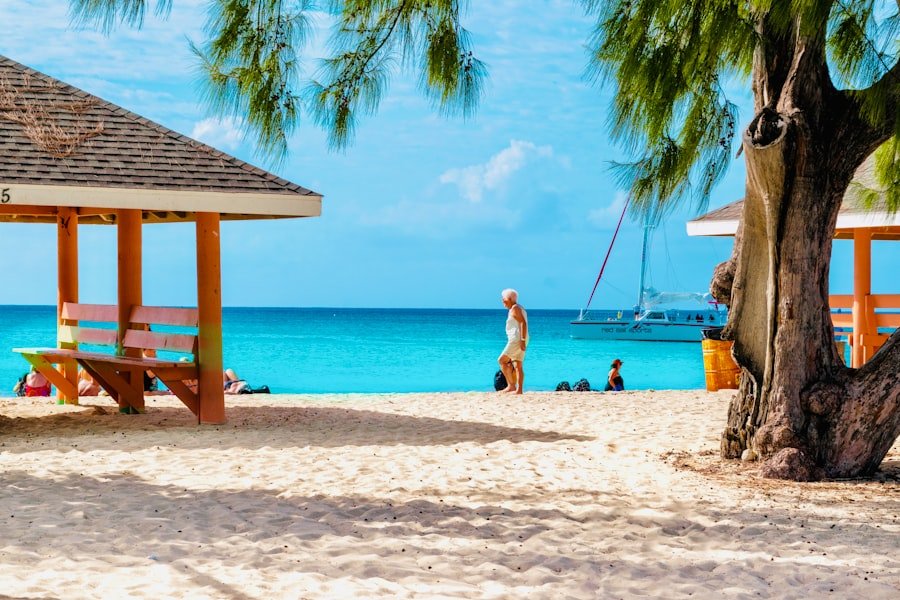
Little Cayman, the smallest and least developed of the three islands, lies just 5 miles west of Cayman Brac. It’s the epitome of a tranquil escape, a place where bicycles are the preferred mode of transport, and the loudest sounds you’ll hear are usually the birds and the waves. If you’re seeking true solitude, world-class diving, and an unplugged experience, Little Cayman is your destination.
Bloody Bay Marine Park: A Diving Icon
Little Cayman’s reputation as a diving Mecca largely stems from the Bloody Bay Marine Park, home to some of the healthiest and most vibrant reefs in the Caribbean.
Bloody Bay Wall
This iconic dive site is a dramatic coral wall that plunges thousands of feet into the abyss. It’s considered one of the best wall dives in the world, teeming with sponges, corals, and a diverse array of marine life. The clarity of the water allows for incredible visibility.
Abundant Marine Life
Expect to encounter turtles, reef sharks, eagle rays, barracudas, and countless colorful reef fish. The untouched nature of these reefs makes for incredibly rich and biodiverse dives.
Owen Island: Your Private Paradise
Just a short paddle or swim across a narrow channel from Little Cayman, Owen Island is a tiny, uninhabited sliver of sand that feels like your own private island.
Kayaking or Paddleboarding
Rent a kayak or paddleboard and make the short journey to Owen Island. It’s an easy and enjoyable way to reach this secluded spot.
Snorkeling and Picnics
The waters around Owen Island are shallow and clear, perfect for snorkeling. Pack a picnic and enjoy the ultimate in privacy and relaxation on this pristine beach.
Booby Pond Nature Reserve: Birdwatching Bliss
This Ramsar site is a protected wetland and a crucial nesting ground for the largest colony of red-footed boobies in the Caribbean.
Observational Deck
A purpose-built observation deck provides excellent views of the nesting boobies and other bird species without disturbing their habitat. Bring binoculars for a closer look.
Frigatebirds and Other Species
Alongside the boobies, you’ll often see magnificent frigatebirds, which are known for their distinctive red gular sacs and their habit of kleptoparasitism (stealing food from other birds). It’s a fantastic spot for bird photography.
Remote Beaches: Uninterrupted Serenity
Little Cayman is dotted with deserted beaches where you can genuinely escape the crowds.
Point o’ Sand
On the eastern end of the island, Point o’ Sand offers stunning white sand and clear, shallow water. It’s often deserted, making it ideal for a peaceful swim or simply enjoying the quiet.
South Hole Sound Lagoon
A tranquil, shallow lagoon on the south side of the island. Its calm waters are perfect for swimming and wading, and the surrounding mangroves provide a unique ecosystem to explore.
Getting Around: Slow and Easy
With only a handful of roads and minimal traffic, getting around Little Cayman is part of its charm.
Bicycles and Scooters
Many accommodations offer bicycles for rent or as part of your stay. Cycling around the island is a fantastic way to explore at a leisurely pace. Scooters are also available for those who prefer a bit more speed.
Minimal Car Rentals
While a few rental cars are available, they are typically unnecessary. The island is small enough to navigate by bike or scooter, and many resorts offer shuttle services.
Planning Your Trip: Logistics and Considerations
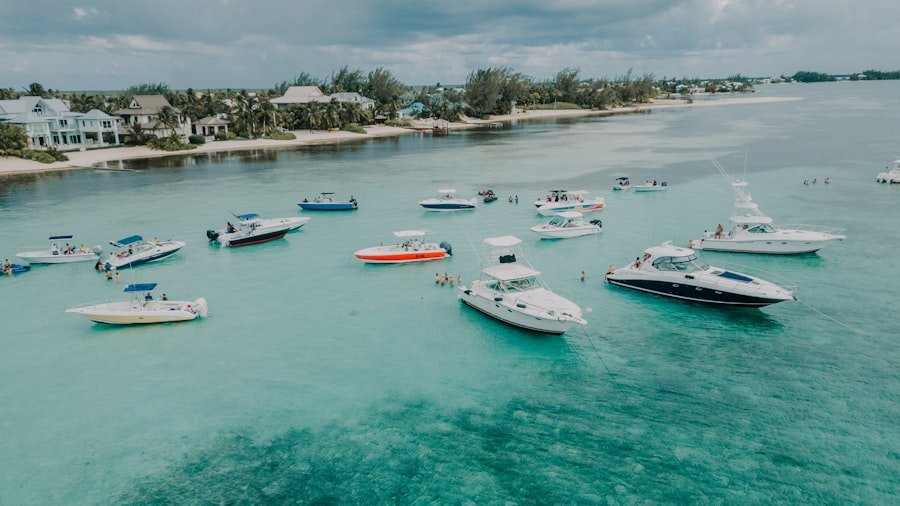
Visiting the Cayman Islands is generally straightforward, but there are a few practical points to keep in mind, especially if you plan to visit more than one island.
Inter-Island Travel
This is key if you want to experience all three islands.
Cayman Airways Express
The national airline, Cayman Airways, operates small propeller planes between Grand Cayman, Cayman Brac, and Little Cayman. Flights are relatively short (around 30 minutes) and offer scenic views. Booking in advance, especially during peak season, is advisable.
Ferry Services (Limited)
While there isn’t a regular public ferry service between the islands, some private charters or dive operators might offer transport for specific purposes. For general travel, stick with the inter-island flights.
Accommodation Options
Each island offers a different style of accommodation.
Grand Cayman
You’ll find everything from luxury resorts and boutique hotels to condo rentals and guesthouses. Seven Mile Beach is the epicenter for most tourist accommodations.
Cayman Brac
Expect more intimate resorts, dive lodges, and guesthouses. The focus here is on comfort and catering to divers and nature enthusiasts.
Little Cayman
Predominantly dive resorts and small, secluded guesthouses. Many operate on an all-inclusive basis, especially for dive packages. Don’t expect large chain hotels; the charm is in the intimate, personalized service.
Best Time to Visit
The Cayman Islands enjoy a tropical climate, but there are distinct seasons.
Dry Season (November to April)
This is generally considered the peak tourist season. You can expect cooler temperatures (still warm!), lower humidity, and less rain. Ideal for outdoor activities and beach time.
Wet Season (May to October)
Characterized by higher humidity, warmer temperatures, and an increased chance of rain showers, often in the afternoon. This period also coincides with hurricane season (June to November). While it’s still a good time to visit, prices might be lower, and there are fewer crowds. However, always keep an eye on weather forecasts during hurricane season.
The Cayman Islands, known for their stunning beaches and vibrant marine life, consist of three main islands: Grand Cayman, Cayman Brac, and Little Cayman. For those interested in exploring the underwater wonders of this tropical paradise, an insightful article can be found that delves into the best diving spots in the Cayman Islands. You can read more about it in this exploration of diving that highlights the unique experiences awaiting visitors beneath the waves.
Conclusion
| Island | Number of Islands |
|---|---|
| Grand Cayman | 1 |
| Cayman Brac | 1 |
| Little Cayman | 1 |
The Cayman Islands offer a fascinating spectrum of experiences, from the vibrant sophistication of Grand Cayman to the adventurous charm of Cayman Brac and the serene, untouched beauty of Little Cayman. Each island has its own distinct personality, catering to different interests and desires. Whether you’re a luxury seeker, an intrepid explorer, or simply yearning for a tranquil escape, these three islands collectively provide a truly unforgettable Caribbean adventure. Don’t just settle for one; consider experiencing the diverse magic that all three Caymans have to offer.