
So, you’re wondering if the Cayman Islands are really a “paradise” for your next Caribbean trip? In short, they offer a specific kind of Caribbean experience. Think pristine beaches, excellent diving, and a sophisticated infrastructure. It’s less about rustic charm and more about well-maintained luxury, a strong financial hub, and a friendly, English-speaking environment. If you’re looking for a reliably beautiful and comfortable destination with a focus on marine activities, it certainly fits the bill. However, if you’re seeking a budget-friendly adventure or a raw, untouched island feel, you might find it a bit polished for your taste.
Stepping off the plane in Grand Cayman, you’ll likely arrive at Owen Roberts International Airport (GCM). The first thing you notice is the efficiency. Custom and immigration are usually a smooth process, and taxis are plentiful right outside the terminal. You won’t find a lot of haggling here; prices are generally set.
Navigating Grand Cayman
The island itself is relatively flat and easy to get around. Renting a car is an option, and driving is on the left-hand side, so keep that in mind if you’re coming from a right-hand drive country. The main road, West Bay Road, runs along Seven Mile Beach and connects most of the hotels, restaurants, and attractions. Public buses also operate on set routes, offering a more budget-friendly way to travel, though they might not be as frequent or reach every corner of the island. Taxis are reliable but certainly add up if you’re relying on them for all your transport.
Beyond Grand Cayman: Cayman Brac and Little Cayman
While Grand Cayman is the most populous and developed, don’t overlook its smaller siblings. Getting to Cayman Brac and Little Cayman usually involves a short inter-island flight from Grand Cayman. These islands offer a much quieter, more secluded experience. Think fewer cars, more untouched natural beauty, and a pace that truly lives up to the “island time” cliché. If you’re a nature lover, a diver, or someone who craves genuine tranquility, these are worth the extra effort.
The Cayman Islands, known for their stunning beaches and vibrant marine life, offer a plethora of activities for visitors to enjoy. From snorkeling in crystal-clear waters to exploring the rich cultural heritage of the islands, there is something for everyone. For a comprehensive guide on the best activities to experience while visiting the Cayman Islands, you can check out this related article: Exploring the Best Cayman Islands Activities.
What to Do: Beyond the Beach
While the beaches are undoubtedly a major draw, the Cayman Islands offer a range of activities. It’s not just about lounging on the sand, though you can certainly do plenty of that.
Underwater Adventures: Diving and Snorkeling
This is where the Cayman Islands truly shine. The clarity of the water is exceptional, and the reefs are vibrant. There are countless dive sites catering to all levels, from beginner to experienced.
The Iconic Stingray City
No visit to Grand Cayman is complete without a trip to Stingray City Sandbar. It’s a shallow area where you can interact with dozens of southern stingrays. Operators run tours multiple times a day. While it’s certainly a tourist hot spot, the experience of being surrounded by these gentle creatures in their natural habitat is quite memorable. Just remember to treat them with respect and follow your guide’s instructions.
Shipwrecks and Reefs
For certified divers, the USS Kittiwake Wreck is a highlight. This purpose-sunk former US Navy submarine rescue vessel now sits upright in relatively shallow water, making it accessible to a wide range of divers. The reefs around all three islands are teeming with marine life, from colorful fish to turtles and even docile reef sharks. Numerous dive operators offer guided trips, equipment rental, and certification courses.
Snorkeling Spots
If diving isn’t your thing, there are plenty of excellent snorkeling opportunities. Popular spots include Cemetery Beach on Seven Mile Beach, Smith Cove (locally known as Smith Barcadere), and various points along the North Sound. Most boat tours will also include a snorkeling stop.
Land-Based Exploration
While the focus might be marine, there are still things to see and do on land.
The Queen Elizabeth II Botanic Park (Grand Cayman)
This carefully maintained park offers an excellent opportunity to see some of the island’s unique flora and fauna, including the critically endangered Blue Iguana, a conservation success story. It’s a pleasant way to spend a few hours away from the coast.
Crystal Caves (Grand Cayman)
A more recent addition to the island’s attractions, the Crystal Caves offer guided tours through a series of underground caves filled with stalactite and stalagmite formations. It’s a different kind of natural beauty to explore.
Bluff Walking and Bird Watching (Cayman Brac)
Cayman Brac is known for its dramatic limestone bluff, which rises to 140 feet at its eastern end. There are walking trails along the bluff, offering panoramic views and opportunities for bird watching, especially for various seabirds. It’s a noticeable contrast to the flat landscapes of Grand Cayman.
Where to Stay: Accommodation Options
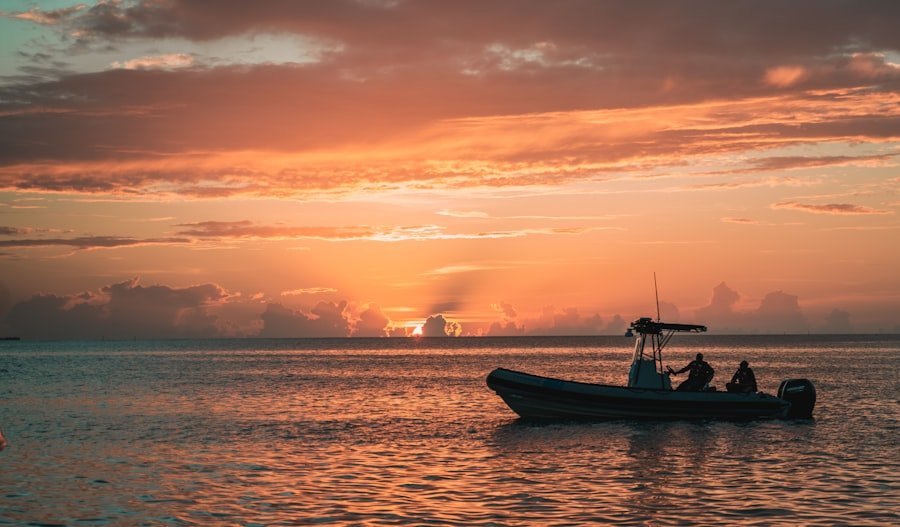
The Cayman Islands, particularly Grand Cayman, offer a wide range of accommodation, from luxurious resorts to more budget-friendly guesthouses. It’s worth noting that “budget-friendly” here often means relative to other options on the island, not necessarily a dirt-cheap choice.
Hotels and Resorts on Seven Mile Beach
This is the most popular area for accommodation. You’ll find renowned international brands here, offering amenities like multiple pools, spas, concierge services, and beachfront access. Expect higher prices, especially during peak season (roughly December to April). Many offer excellent dining options on-site.
Condos and Vacation Rentals
A popular choice, especially for families or groups, are the numerous condo complexes along Seven Mile Beach and in other parts of Grand Cayman. These often come with fully equipped kitchens, living areas, and balconies, providing more space and flexibility than a traditional hotel room. They can be a more cost-effective option for longer stays or for those who prefer to cook some of their own meals.
Boutique Hotels and Guesthouses
Away from Seven Mile Beach, you can find smaller, more intimate hotels and guesthouses. These often offer a more personal touch and can sometimes be a bit more affordable, though they might not have direct beach access or the same extensive facilities as the larger resorts. Look in areas like George Town or East End for these options.
Accommodations on the Lesser Islands
On Little Cayman and Cayman Brac, accommodation options are primarily smaller resorts, dive lodges, and guesthouses. These cater specifically to divers and those seeking a quiet, natural escape. Don’t expect large chain hotels here; instead, anticipate a more rustic, laid-back atmosphere.
Eating and Drinking: A Culinary Overview
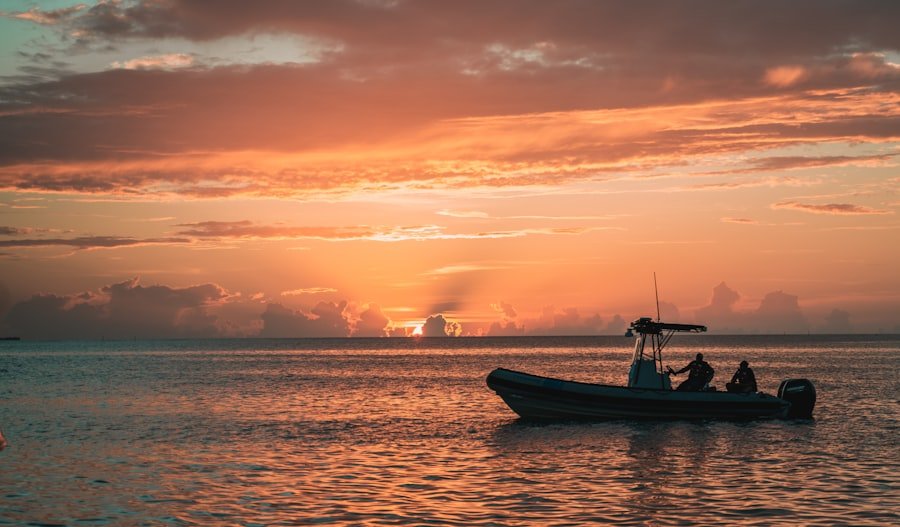
The dining scene in Grand Cayman is quite diverse, reflecting its international population and affluent visitors. You’ll find everything from casual beach shacks to high-end fine dining. Seafood is, as expected, a prominent feature.
Seafood Galore
Given its location, fresh seafood is a staple. You’ll find grilled fish, conch (fritters, stew, or ceviche), lobster (in season), and a variety of other catches. Many restaurants source their fish directly from local fishermen.
International and Fine Dining
Grand Cayman boasts a surprising number of upscale restaurants, many led by internationally acclaimed chefs. You can find excellent Italian, French, Asian fusion, and other international cuisines. These establishments often come with a price tag to match, but they offer a sophisticated dining experience.
Casual Eateries and Local Flavors
For a more laid-back meal, there are plenty of casual restaurants, often serving Caribbean and local dishes. Look for jerk chicken, curry goat, rice and beans, and various fried fish preparations. These spots are often more affordable and provide a good opportunity to sample authentic island flavors. Food trucks and roadside stands can also offer tasty and budget-friendly options.
Drinking and Nightlife
While not a major party destination like some other Caribbean islands, Grand Cayman offers a decent selection of bars and pubs. Many hotels have their own bars, and there are several standalone establishments, particularly along West Bay Road. Local rum is a popular spirit, and you’ll find plenty of rum-based cocktails. Nightlife is generally relaxed, with some spots offering live music or DJs.
If you’re planning a trip to the stunning Caribbean, the Cayman Islands offer a perfect blend of relaxation and adventure. From pristine beaches to vibrant marine life, there’s something for everyone. To help you choose the ideal accommodation for your stay, you can check out this informative article on the top hotels in the Cayman Islands. It provides insights into various options that cater to different preferences and budgets. For more details, visit top Cayman Islands hotels for your perfect getaway.
Practical Information & Local Insights
| Category | Metric |
|---|---|
| Population | 65,722 (2021) |
| Area | 264 square kilometers |
| Capital | George Town |
| Currency | Cayman Islands dollar (KYD) |
| Languages | English |
Before you pack your bags, a few practical considerations can make your trip smoother.
Currency and Cost of Living
The local currency is the Cayman Islands Dollar (CID), which is pegged to the US Dollar at a fixed rate of 1 CID to 1.25 USD. US dollars are widely accepted everywhere, and you’ll often receive change in a mix of CID and USD. However, it’s generally best to pay in CID if you have it, as the conversion rate can sometimes lead to slight overcharges if paying in USD.
The Cayman Islands are, by Caribbean standards, an expensive destination. Groceries, dining out, and accommodations can all be significantly higher than in many other places. This is partly due to the fact that almost everything is imported. Factor this into your budget planning.
Language and Culture
English is the official language, so communication is easy for most visitors. The culture is a blend of British, American, and traditional Caribbean influences. You’ll find a polite, reserved, and friendly demeanor among locals. Respectful behavior and common courtesies are appreciated. While it’s a relaxed island atmosphere, certain public behaviors (like excessive noise or public intoxication) might be viewed less favorably than in more boisterous tourist destinations.
Safety and Health
The Cayman Islands are generally considered very safe for tourists. Petty crime, like purse snatching, can occur, so general precautions like not leaving valuables unattended and being aware of your surroundings are wise. Violent crime against tourists is rare.
Healthcare facilities in Grand Cayman are modern and excellent, with a well-regarded hospital. However, medical costs can be high, so robust travel insurance that covers medical emergencies is highly recommended. Tap water is generally safe to drink in most areas, especially in hotels and developed resorts, as it’s typically desalinated and purified.
Best Time to Visit
The peak tourist season is from December to April, which coincides with drier weather and cooler temperatures. This is also when prices are highest and crowds are largest. May to November is the wet season, with higher humidity and a greater chance of rain and hurricanes. However, during this “off-season,” you’ll find fewer crowds and lower prices on flights and accommodation. If you’re flexible, late spring/early summer (May/June) can be a good time, as hurricane season hasn’t usually ramped up yet, and prices are more favorable.
Ultimately, the Cayman Islands offer a reliable, comfortable, and well-organized Caribbean vacation, particularly if your interests lean towards marine activities and a higher standard of service. It’s a place where you can relax with confidence, knowing that the infrastructure is solid and the natural beauty is well-preserved. Just be prepared for a higher price point than some of its regional neighbors.